| Double Trouble by Dennis Overholser PainlessPerformance.com | ||
| When it comes to today’s classic vehicles, the amount of creature comforts being installed seems endless. Air conditioning, power windows, power seats, door poppers, power trunk and everything else one can think of all require more electrical power than most electrical systems and switches were designed to handle. The big push to install relays to overcome the excessive loads on wiring and switches is a much needed trend. Relays allow the power consuming load to receive the current required with out overloading circuits and switches. Due to the power increase available to the accessories, they will also perform at greater efficiency. In the story to follow Bill Marcoms 1954 Chevrolet pickup was having starting problems and when the air conditioning was on he smelled wires burning. He contacted John Roberts, a local wiring guy, to find the problem and make repairs. | ||
| Problem number 1, the smell of burning wires when the a/c is turned on: | ||
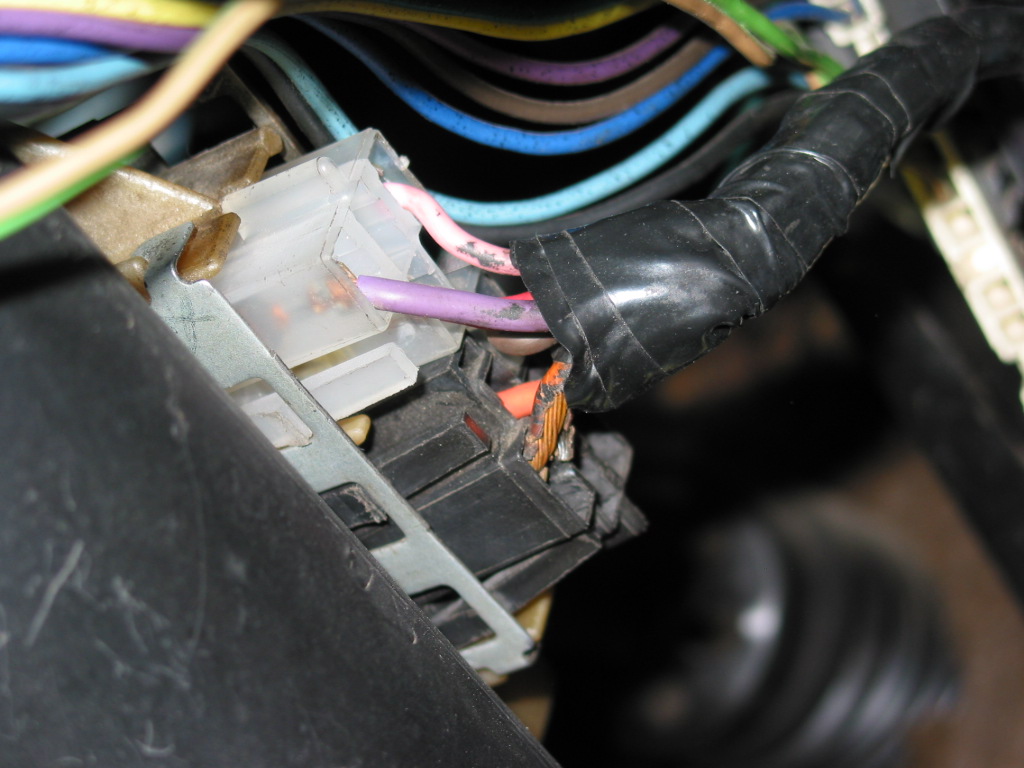 | 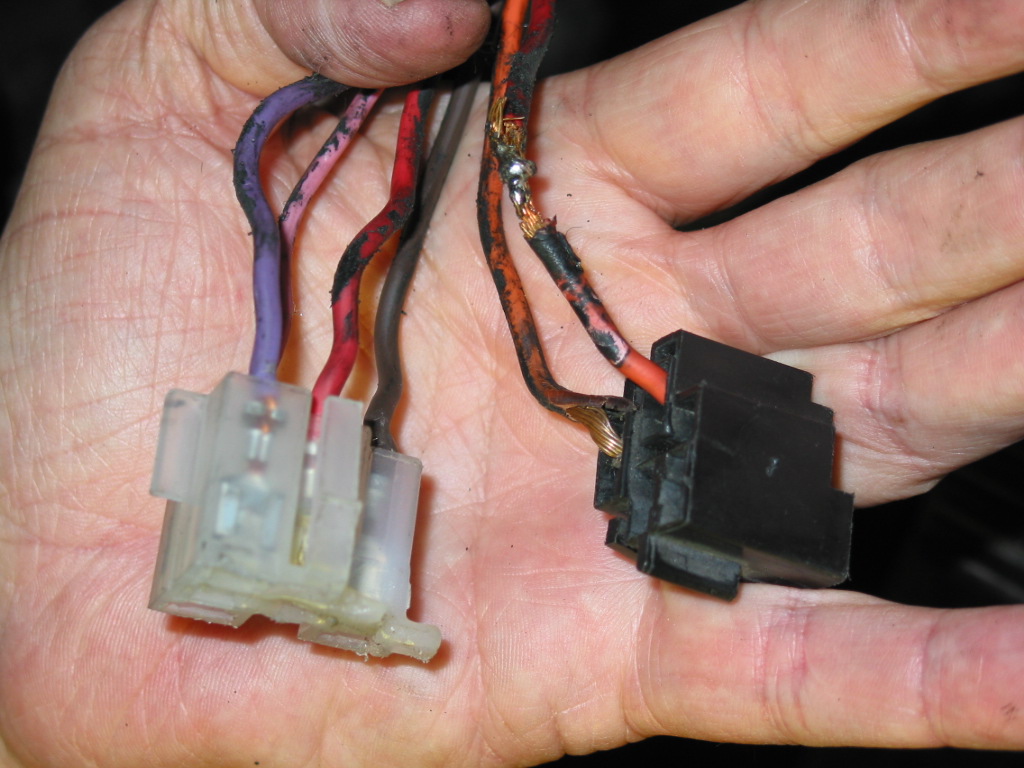 | |
| The first thing John looked at was the ignition switch. He noticed several wires that appeared burnt. | With the tape removed the severely burnt wires were exposed. This was a sure sign that the current load on the wires and switch was excessive. | |
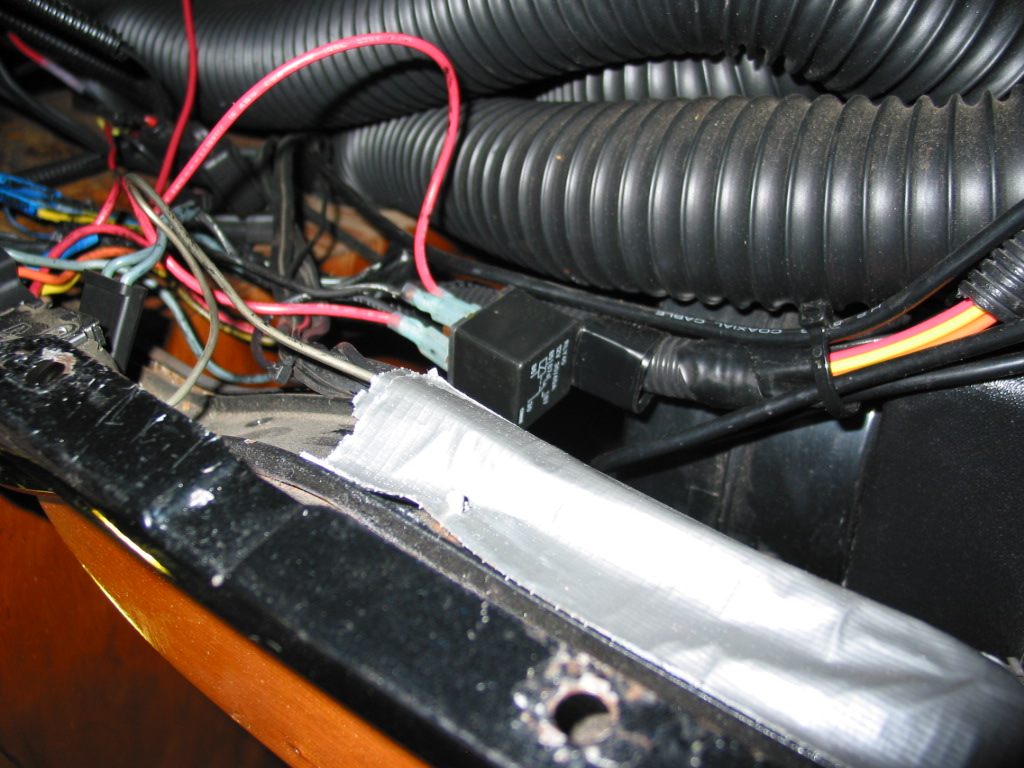 | 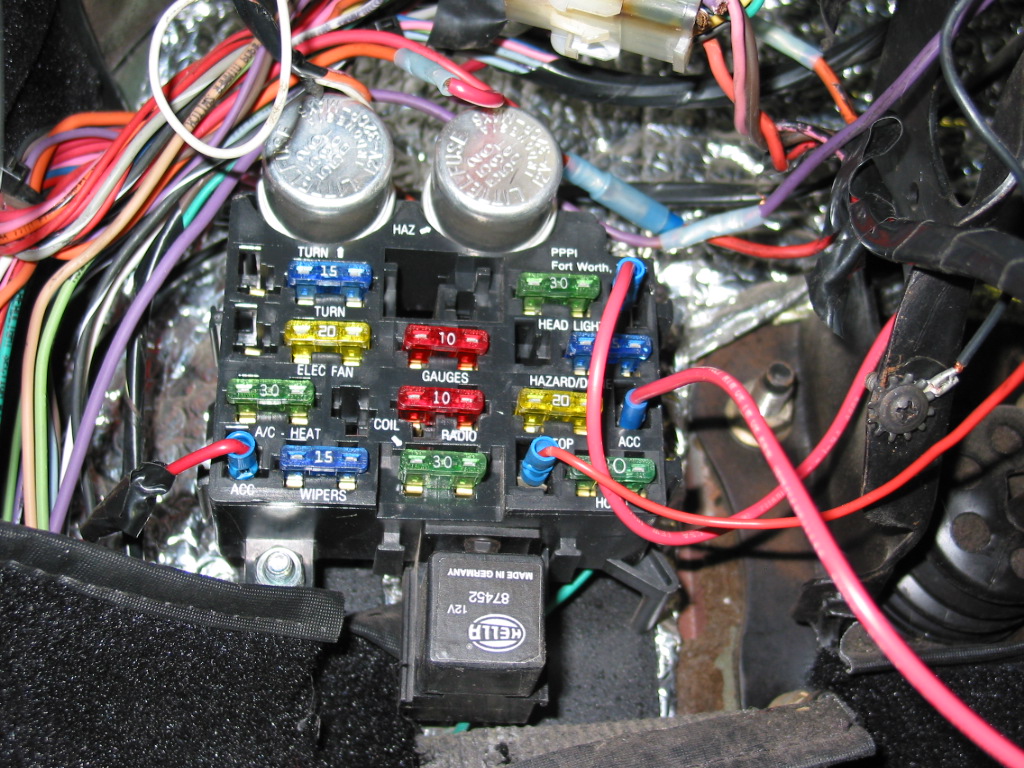 | |
| The glove box was removed to expose the power relay for the a/c unit. The problem was easy to spot. The main power wire which was supposed to go directly to the battery source, starter solenoid or the battery itself, was routed to the fuse block. | The main power wire was plugged into the front of the fuse block which meant all the power to operate the a/c unit had to pass through the ignition switch. | |
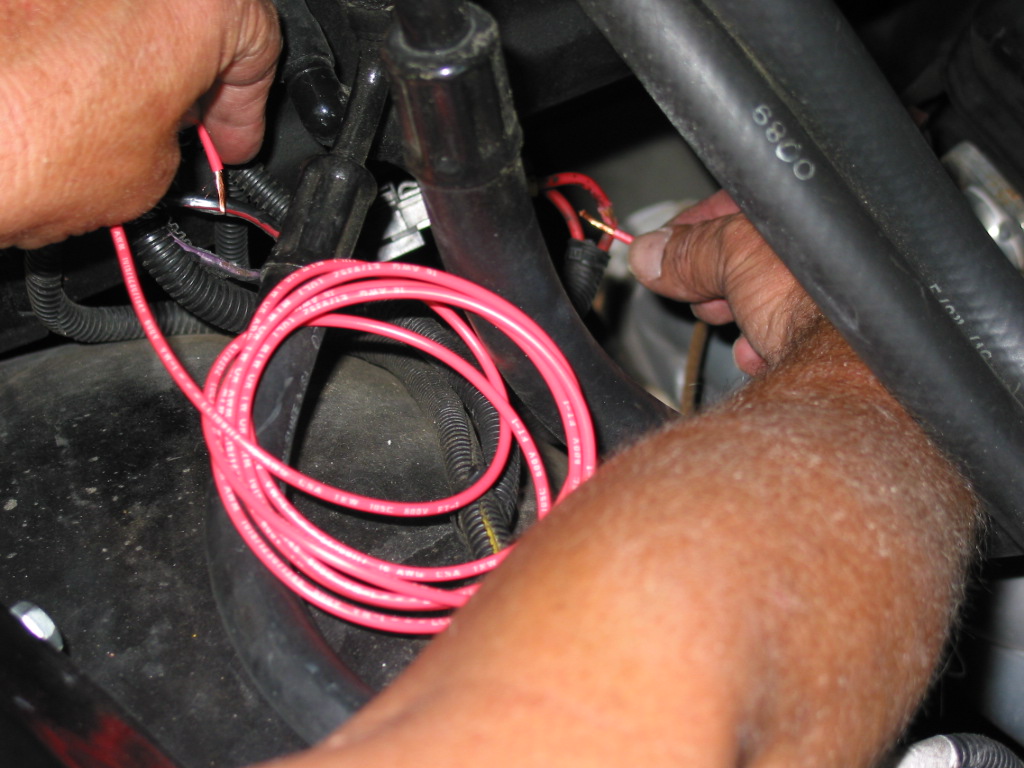 | 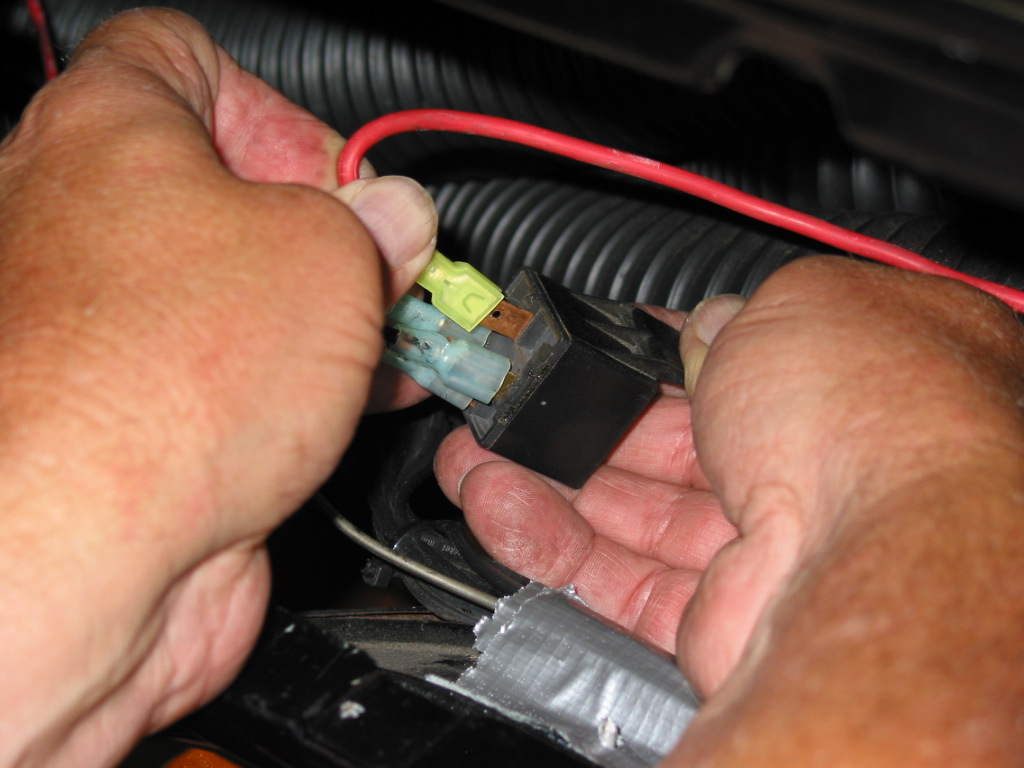 | |
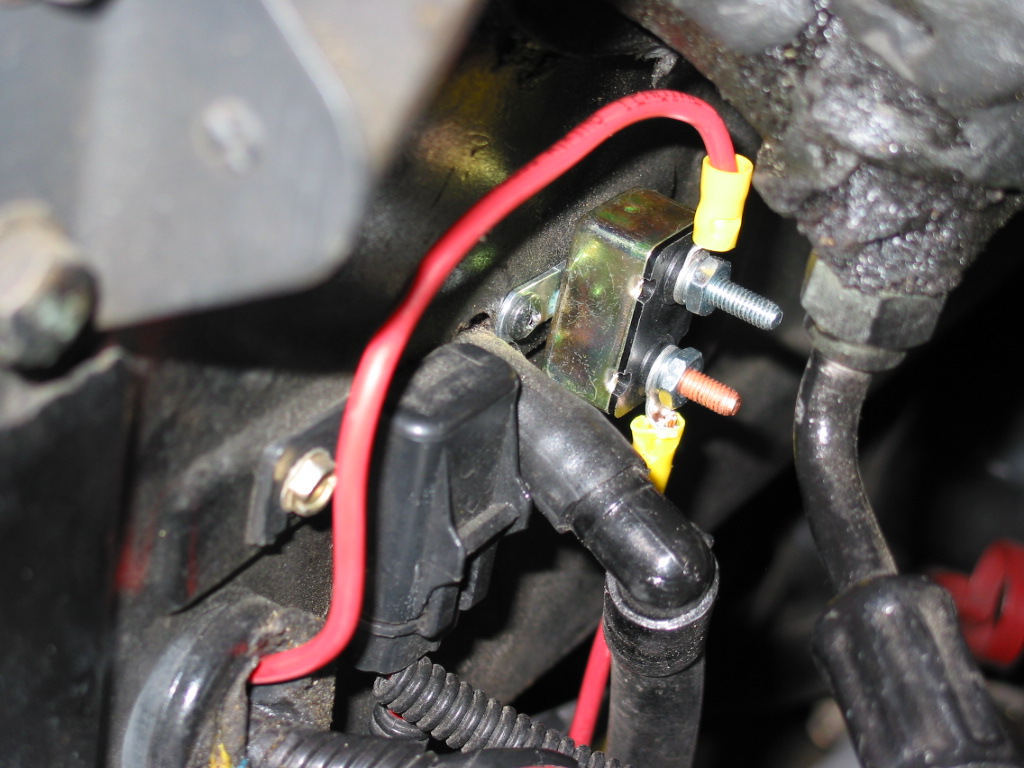
| To repair the problem, John first mounted a 30 amp circuit breaker to the fire wall and routed a 12 gauge wire from the maxi fuse to the circuit breaker. The circuit breaker will provide overload protection for the a/c power relay. The maxi fuse is connected directly to the battery cable at starter solenoid which allows maximum current availability. | A length of 12 gauge wire was then routed through the firewall to the power relay. | |
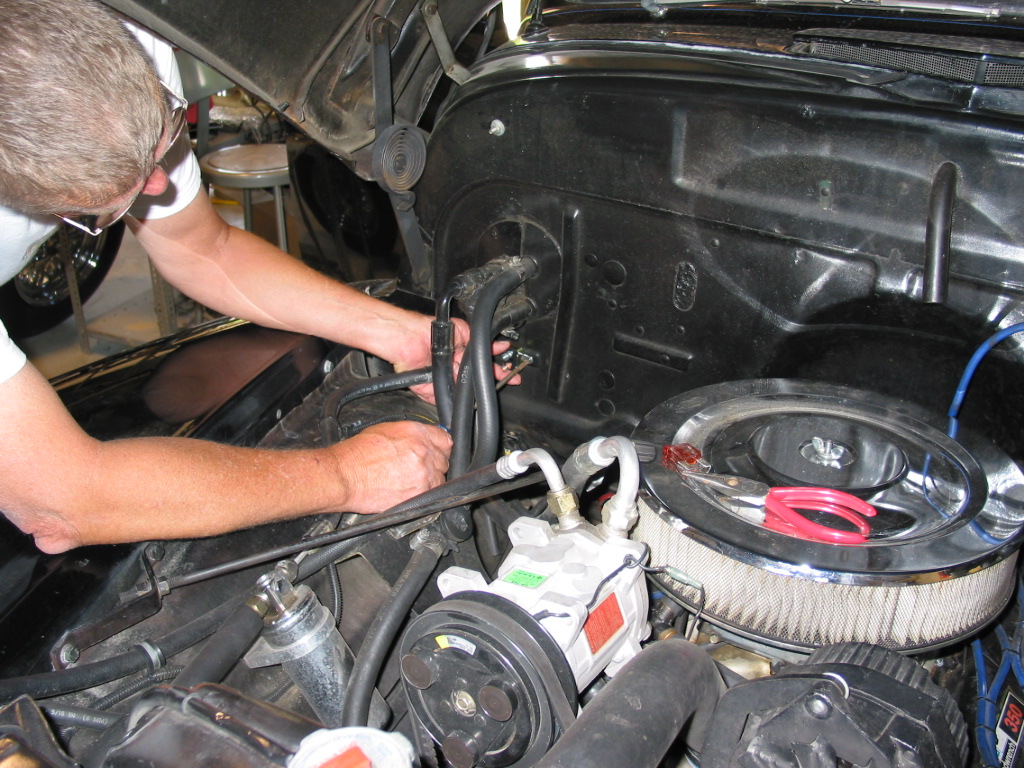 |  | |
| The power wire from the fuse block to the relay was removed and the new power wire is installed in it’s place. | The finished installation will allow the a/c relay ample power for maximum a/c efficiency and relieve the load off the ignition switch and wiring. | |
| Problem number 2, the engine won’t turn over when hot. | ||
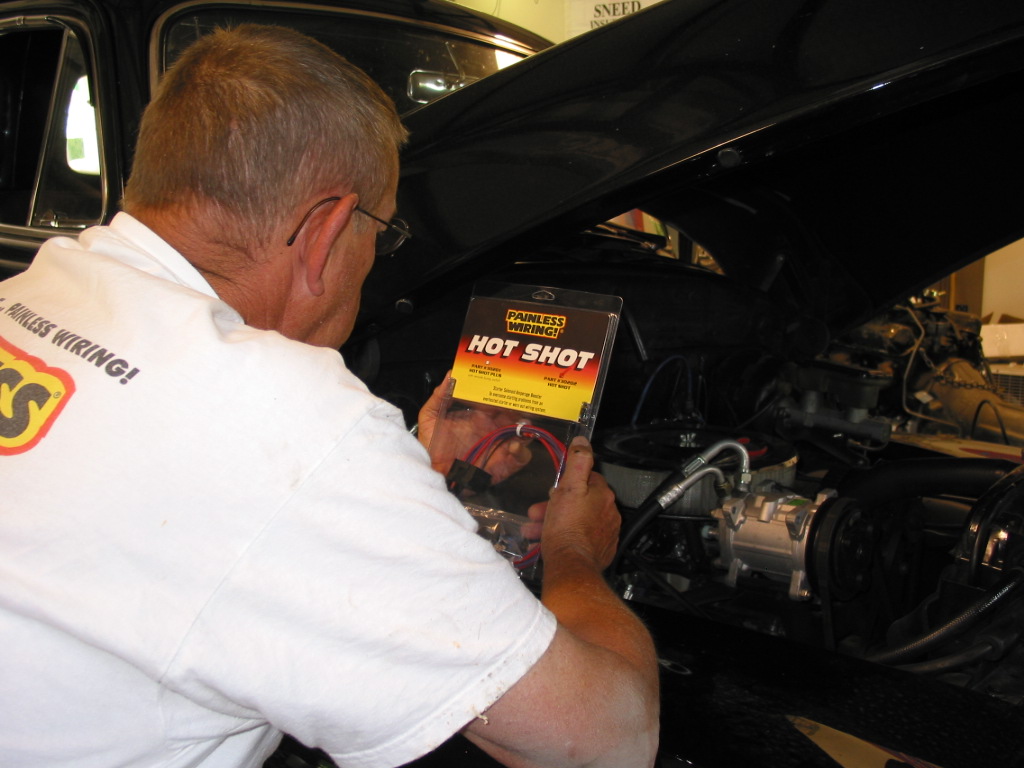 | 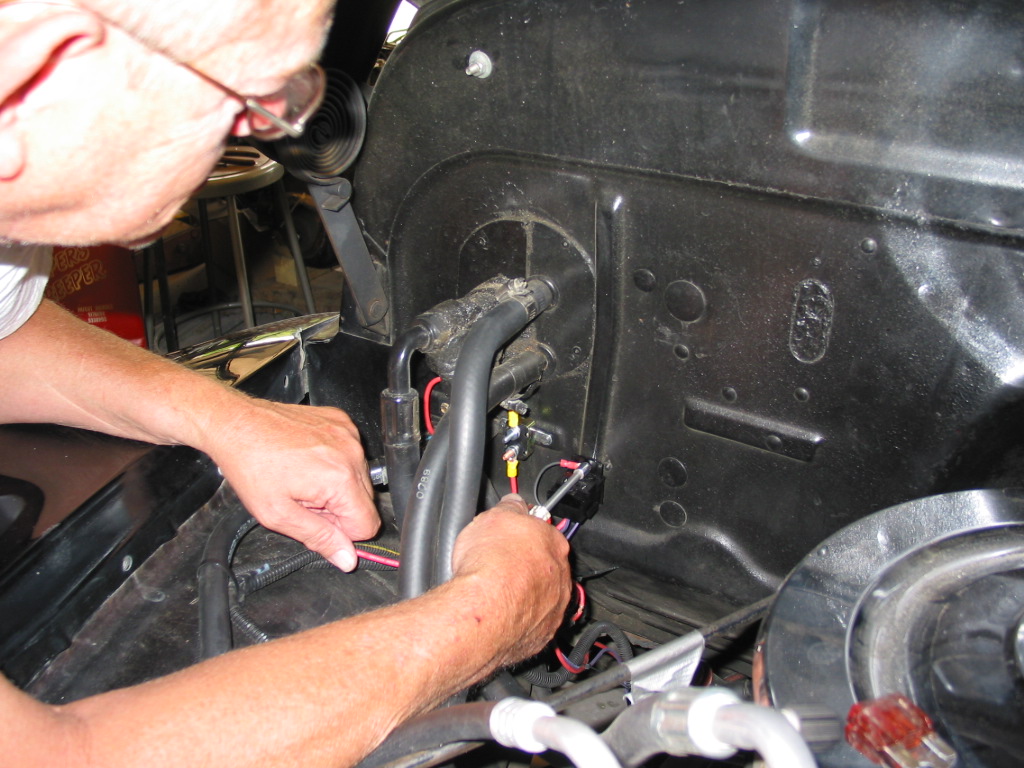 | |
| With the wires in bad shape from all the overloading and the starter hidden behind tight exhaust headers, it didn’t take John long to decide to install a Hot Shot relay to boost the available amperage required by the starter solenoid. This relay re-routes current from the battery post directly to the solenoid activation terminal instead of through the ignition switch and harness. | First the relay base is mounted on the firewall for easy access and away from excessive heat. The relay ground wire was installed with the mounting screw. | |
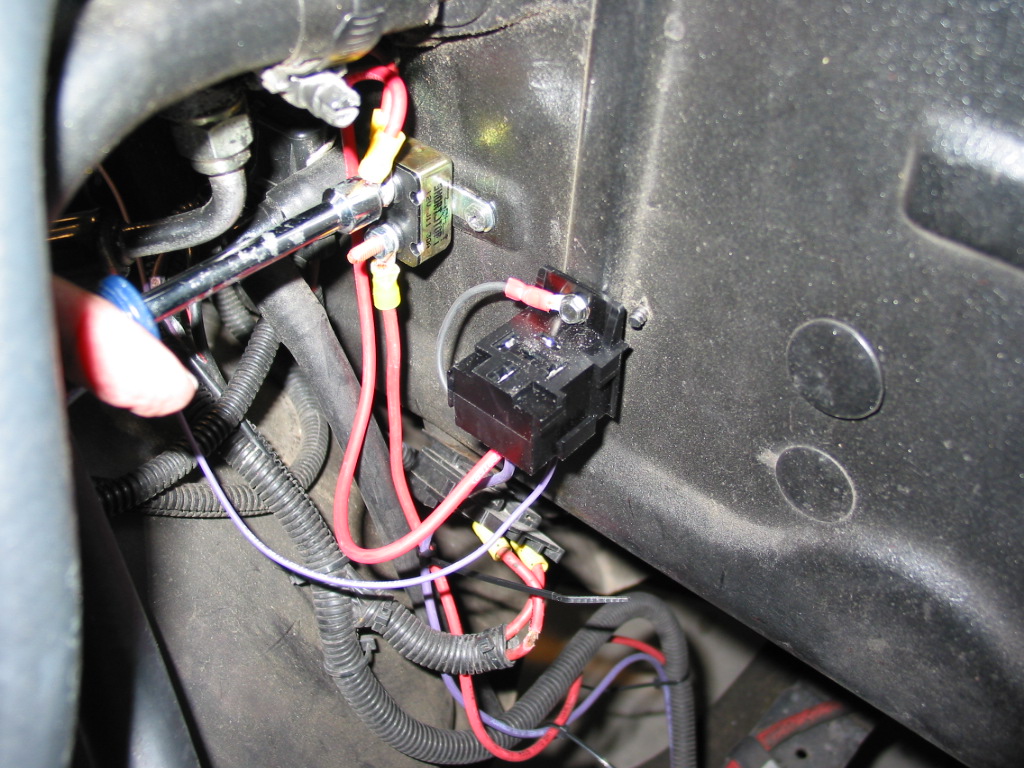 |  | |
| With the relay base mounted, the main power input wire was routed to the circuit breaker which was installed for the a/c relay. Since these circuits will not be used at the same time, the circuit breaker will be able to handle each load. | The activation wire for the relay was attached to the wire formerly going to the solenoid. The ignition/starter switch now activates the relay, which requires a slight amount of current, instead of the solenoid. | |
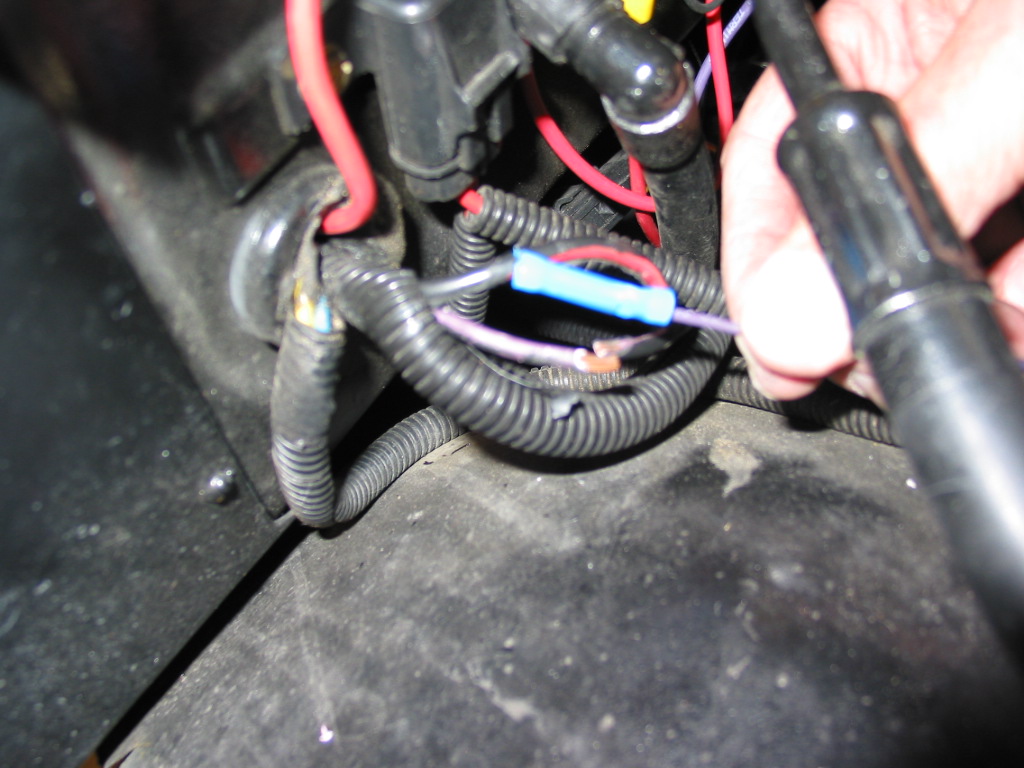 | 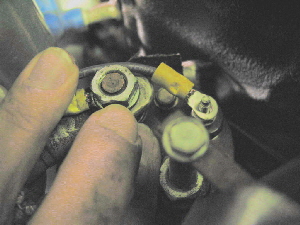 | |
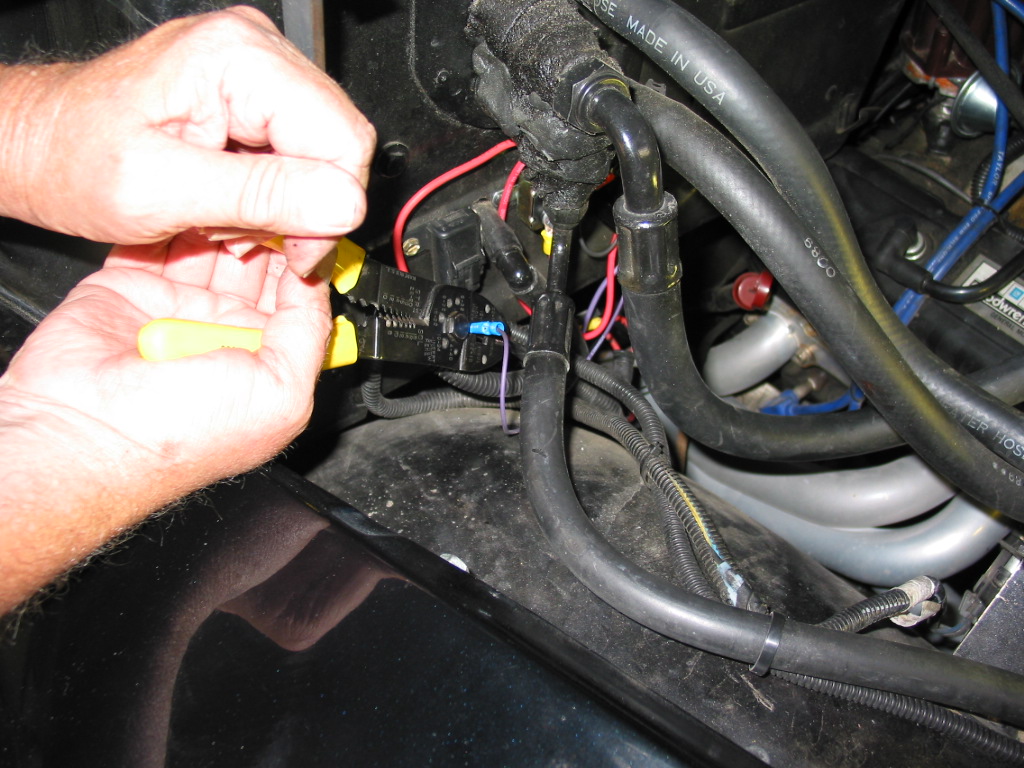
| John shows the splice has been made. | The relay output wire is terminated and routed to the activation terminal of the solenoid. | |
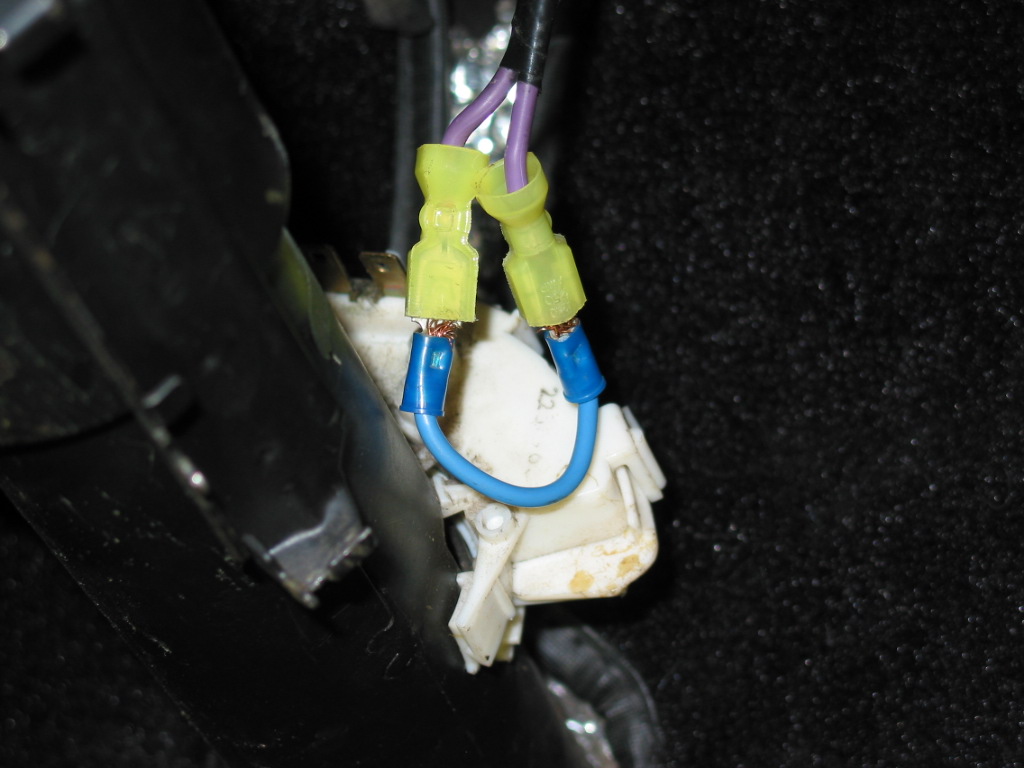 | 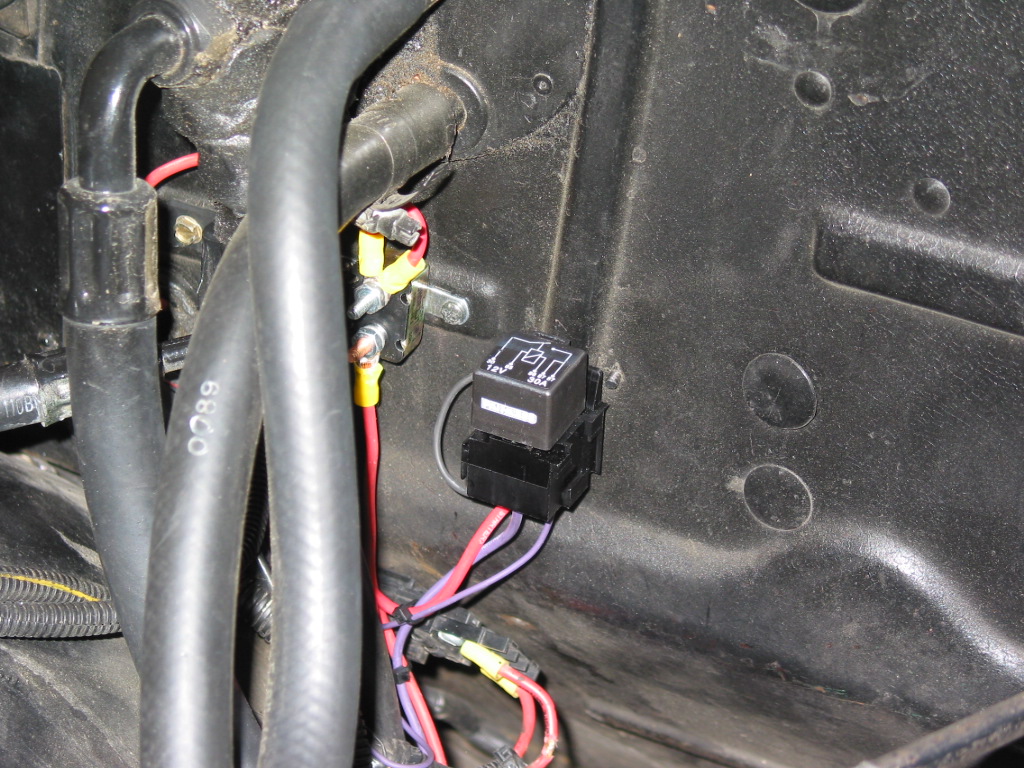 | |
| The neutral safety switch had been bypassed with a jumper wire shown. The jumper was removed and the two wires were re-installed on the switch. | The finished installation is clean and functional. The engine never failed to start, when hot, after the installation. | |
| Article provided by : Painless Performance Wiring | ||
Relays “Double Trouble” by Dennis Overholser
